Logistics and Freight Forwarding UAE: A Complete Guide for Businesses
Businesses involved in importing, exporting, manufacturing, distribution, and international trade need a reliable way to move goods from suppliers to customers. Logistics and freight forwarding UAE services help coordinate transportation, documentation, customs procedures, cargo handling, storage, and final delivery.
The UAE’s position as a major commercial and trading hub means businesses regularly manage shipments arriving from and moving to international markets. However, arranging transportation is only one part of the process. Companies also need to consider cargo requirements, delivery timelines, documentation, customs procedures, storage, and total shipping costs.
Understanding how freight forwarding works can help businesses make better decisions when planning shipments. This guide explains the main transportation options, the role of freight forwarders, factors affecting costs, customs requirements, warehousing, and practical considerations when selecting a logistics partner.
What Is Logistics and Freight Forwarding UAE?
Logistics and freight forwarding UAE refers to the planning and coordination involved in moving commercial goods from their origin to their destination. It can involve transportation, cargo handling, documentation, customs coordination, warehousing, and delivery.
Logistics is a broad supply chain function covering activities such as transportation, storage, inventory management, distribution, and order fulfilment. Freight forwarding is more focused on arranging and coordinating the movement of cargo through different transportation networks.
A freight forwarder may work with shipping lines, airlines, trucking companies, warehouses, customs representatives, and other service providers. Instead of a business coordinating every party separately, the forwarder can manage multiple stages of the shipment according to the agreed service scope.
For example, a UAE trading company importing equipment from Europe may need supplier collection, sea transportation, shipping documentation, customs coordination, temporary storage, and delivery to its facility. A freight forwarding provider can coordinate these requirements as part of one shipment plan.
How Does Freight Forwarding Work?
The freight forwarding process begins with understanding the shipment and ends when the cargo reaches its intended destination. The exact steps depend on the product, route, transport mode, and delivery requirements.
A typical process includes:
-
- Shipment assessment: The provider reviews the cargo type, dimensions, weight, origin, destination, and required delivery timeline.
-
- Transport planning: Air, sea, road, or a combination of methods is selected based on the shipment requirements.
-
- Cargo collection: Goods are collected from the supplier or prepared for transportation to the relevant terminal.
-
- Documentation: Commercial invoices, packing lists, transport documents, and other required paperwork are prepared.
-
- Customs coordination: Applicable declarations, permits, duties, and regulatory requirements are addressed.
-
- Transportation: The shipment moves through the selected carrier or transport network.
-
- Final delivery: Following the required handling and clearance procedures, the cargo is delivered to the consignee.
Planning these stages before dispatch can reduce avoidable problems. Businesses should confirm who is responsible for documentation, customs, transportation, storage, and final delivery before the shipment begins.
Which Freight Transportation Method Should Businesses Choose?
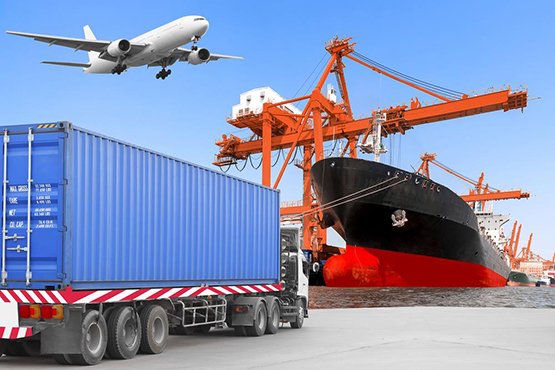
The main transportation methods are air, ocean, and land freight. The right option depends on cargo size, urgency, destination, budget, and handling requirements.
Air Freight
Air freight services UAE are generally suitable for shipments where delivery speed is a major consideration. Businesses may use air transportation for urgent commercial goods, samples, spare parts, high-value products, and time-sensitive consignments.
Air freight can provide shorter transit times, but it is generally more expensive than sea transportation. Businesses should therefore consider whether faster delivery justifies the additional transportation cost. Charges may also depend on actual or volumetric weight.
Ocean Freight
Ocean freight services UAE are commonly used for larger consignments, machinery, industrial equipment, raw materials, and commercial goods that do not require air transportation.
Businesses can generally choose between full container load (FCL) and less than container load (LCL), depending on shipment volume. Sea freight may be suitable when delivery schedules allow more flexibility and larger quantities need to be transported.
Land Freight
Land freight services UAE support road transportation within the UAE and regional cargo movements, subject to route and border requirements.
Road transport can connect suppliers, ports, airports, warehouses, industrial areas, and customer locations. Vehicle capacity, cargo dimensions, route conditions, border documentation, and delivery requirements should be reviewed before booking.
Why Is Customs Clearance Important?
Customs procedures are an important part of international cargo movement. Incorrect descriptions, incomplete paperwork, missing permits, or inaccurate shipment information can cause delays and additional costs.
Businesses using Customs Clearance Services UAE should make sure that the required information and documentation are prepared correctly before the shipment reaches the relevant customs point.
Common documents can include:
- Commercial invoice
- Packing list
- Bill of lading or air waybill
- Certificate of origin, where applicable
- Import or export permits, where required
Requirements can differ according to the goods, origin, destination, and applicable regulations. Businesses should verify the requirements for their specific shipment rather than assuming that identical documents apply to every cargo type.
What Factors Affect Freight Shipping Costs?
The total cost of a shipment depends on more than the basic transportation rate. Understanding the main cost factors allows businesses to compare quotations more effectively.
Important factors include:
-
- Cargo weight and dimensions
-
- Origin and destination
-
- Transportation method
-
- Cargo type and handling requirements
-
- Port, terminal, or airport charges
-
- Customs duties and applicable taxes
-
- Collection and final delivery
-
- Storage requirements
-
- Cargo insurance
-
- Documentation and additional services
When comparing logistics companies in UAE, businesses should check exactly what each quotation includes. A lower freight rate may not represent a lower overall cost if important handling, destination, storage, or delivery charges are excluded.
How Should a Business Choose a Freight Forwarder?
Choosing a freight forwarder in UAE should involve more than comparing prices. Businesses need to determine whether a provider can handle their cargo, destinations, transportation requirements, and documentation properly.
Consider the following:
Service coverage: Check whether the provider can support the required origin, destination, transport mode, and cargo type.
Documentation support: Ask how shipping documents and customs-related requirements will be coordinated.
Communication: Understand how shipment updates, delays, and changes will be reported.
Quotation transparency: Compare the complete scope of services instead of looking only at the headline freight rate.
Cargo handling: Confirm whether storage, packaging, special handling, insurance, or other requirements can be arranged.
Delivery coordination: Establish who manages collection, transportation, customs procedures, and final delivery.
A suitable logistics partner should provide clear information about the shipment process and identify potential requirements before cargo is dispatched.
How Does Warehousing Support the Supply Chain?
Transportation does not always end when cargo arrives in the UAE. Importers and distributors may need to store products before releasing them to customers, retailers, project sites, or other facilities.
Warehousing and logistics UAE services can support businesses that need temporary or ongoing storage alongside transportation and distribution. Depending on the operation, warehouse support may include receiving goods, storage, inventory handling, order preparation, and dispatch.
For example, a distributor receiving a large shipment may store products and release smaller quantities as customer orders are received. This approach can help businesses manage inventory when goods arrive in bulk.
When evaluating storage arrangements, businesses should consider capacity, accessibility, inventory records, handling procedures, security, and all related charges.
Common Freight Forwarding Mistakes to Avoid
Several shipment problems can be reduced through proper preparation. Common mistakes include:
-
- Providing incorrect cargo weight or dimensions
-
- Submitting incomplete documentation
-
- Booking transportation too late
-
- Comparing only the basic freight rate
-
- Failing to clarify destination charges
-
- Ignoring special cargo requirements
-
- Leaving customs responsibilities unclear
-
- Not confirming final delivery arrangements
Accurate shipment information is particularly important. Correct cargo details allow the provider to plan transportation properly and prepare a more realistic quotation.
Conclusion
Effective logistics and freight forwarding UAE planning involves much more than moving cargo from one location to another. Businesses need to coordinate transportation, documentation, customs, storage, handling, and final delivery according to their specific shipment requirements.
Before selecting a provider, compare service coverage, communication, quotation transparency, cargo handling capabilities, documentation support, and delivery arrangements. Businesses should also clarify responsibilities and potential additional charges before confirming a shipment.
For companies requiring coordinated freight and cargo support, Al Sahel Cargo & Clearing LLC provides logistics-related services for businesses handling domestic and international shipments. Visit Al Sahel Cargo & Clearing LLC to explore the available services or discuss your shipment requirements.
Frequently Asked Questions
What does a freight forwarder do?
A freight forwarder coordinates the movement of cargo between locations. In logistics and freight forwarding UAE, a provider may arrange transportation, documentation, cargo collection, customs coordination, warehousing, shipment tracking, and final delivery, depending on the agreed scope of services.
Which freight method is best for international shipments?
There is no single option for every shipment. Air transportation may suit urgent cargo, ocean transportation can work well for larger consignments, and road transportation is useful for regional movements. Businesses should consider urgency, cargo characteristics, destination, budget, and delivery requirements when planning logistics and freight forwarding UAE.
What documents are usually required for shipping?
Common documents include a commercial invoice, packing list, and bill of lading or air waybill. Additional certificates, permits, or declarations may be required depending on the cargo, origin, destination, and applicable customs requirements.
How can businesses control freight costs?
Businesses can compare transport options, provide accurate cargo measurements, consolidate suitable shipments, plan bookings in advance, and review the complete quotation. Handling, customs, storage, delivery, and other applicable charges should also be considered.
Does freight forwarding include customs clearance?
It depends on the service agreement. Some providers include customs coordination within their freight service, while others treat it separately. Businesses should confirm exactly which customs-related activities and charges are included before booking.
Why is shipment planning important?
Planning helps businesses identify transportation requirements, documentation, customs procedures, delivery arrangements, and potential additional costs before cargo moves. Early preparation can reduce avoidable delays caused by missing information or last-minute changes.