How Ocean Freight Shipping Companies in UAE Handle FCL and LCL Cargo
Businesses importing or exporting goods need to choose a shipping method that suits their cargo volume, budget, and delivery schedule. Ocean freight shipping companies in UAE help businesses transport goods internationally by arranging container space, coordinating documentation, managing cargo handling, and working with shipping lines and other logistics partners.
Two common options are Full Container Load (FCL) and Less than Container Load (LCL). FCL is generally suitable when a shipment uses an entire container, while LCL allows businesses to share container space with other shipments. Understanding how these options work helps importers and exporters make informed shipping decisions. From cargo consolidation to customs coordination, choosing the right approach can improve shipment planning and help businesses manage international logistics more efficiently.
What Are FCL and LCL in Ocean Freight Shipping?
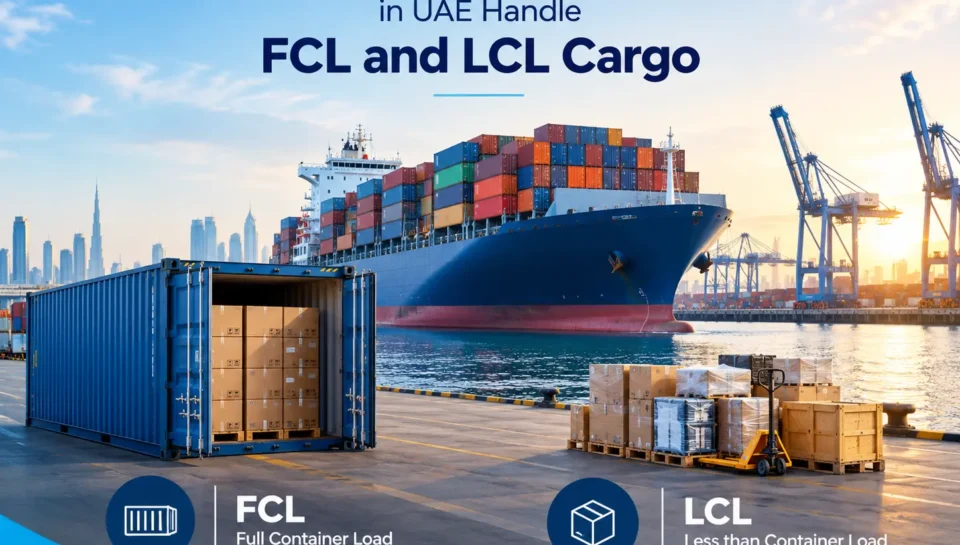
FCL and LCL are two container shipping methods used to transport goods by sea. The main difference is how container space is allocated to a shipment.
- FCL (Full Container Load): A shipment is allocated an entire container for the shipper’s cargo. The container does not necessarily have to be filled to its maximum capacity.
- LCL (Less than Container Load): Cargo from multiple shippers is consolidated into one container, with each shipper paying for their allocated space and applicable handling charges.
Ocean Freight Shipping Companies in UAE help businesses evaluate these options based on cargo dimensions, weight, destination, and handling requirements.
How Ocean Freight Shipping Companies in UAE Handle FCL Cargo
FCL shipping is often preferred by businesses transporting large quantities of goods or cargo that benefits from dedicated container space. The process generally involves the following steps.
1. Booking Container Space
The shipping provider collects details such as cargo type, dimensions, weight, origin, and destination. Based on this information, the appropriate container type and shipping schedule can be arranged.
2. Cargo Loading and Documentation
Goods are packed and loaded into the container at an approved loading location. The shipper and logistics provider coordinate the commercial invoice, packing list, shipping instructions, and other documents required for the shipment.
3. Port Handling and Sea Transportation
The loaded container is transported to the departure port and handled according to the shipping line’s procedures. After the required export formalities, it is loaded onto a vessel for transportation.
4. Arrival and Delivery Coordination
At the destination, the container undergoes applicable import clearance and port procedures. Once the necessary requirements are completed and the cargo is released, delivery can be arranged according to the agreed shipping terms.
How LCL Cargo Shipping Works in the UAE
LCL cargo shipping is useful when a business does not have enough goods to justify booking an entire container. It allows smaller shipments to move through international sea freight networks without requiring exclusive container space.
The process typically includes:
- Cargo measurement: The shipment’s dimensions and weight are recorded to determine the required space and applicable charges.
- Cargo consolidation: Shipments from different customers are combined at a consolidation facility.
- Export documentation: Required shipment documents are prepared and checked before departure.
- Sea transportation: The consolidated container travels to the destination port.
- Deconsolidation: The container is unloaded, and individual shipments are separated at the designated facility.
- Import clearance and delivery: Each shipment completes the applicable clearance process before collection or final delivery.
LCL consolidation services in UAE can help smaller importers and exporters access international shipping without booking a full container. These Sea freight services in UAE provide flexible shipping options for businesses transporting smaller cargo volumes. However, consolidation and deconsolidation may add handling time compared with some FCL shipments.
FCL vs LCL Shipping: Which Option Should You Choose?
The right shipping method depends on shipment volume, total cost, cargo characteristics, and delivery requirements.
|
Factor |
FCL Shipping |
LCL Shipping |
|
Container space |
Dedicated to one shipment |
Shared between shipments |
|
Best suited for |
Larger shipments |
Smaller shipments |
|
Cost structure |
Container-based charges |
Space-based charges and handling fees |
|
Cargo handling |
Generally fewer consolidation steps |
Requires consolidation and deconsolidation |
|
Transit considerations |
Depends on route and schedule |
May involve additional handling time |
|
Cargo separation |
Cargo remains in its allocated container |
Different customers’ cargo shares a container |
Businesses should compare the complete quoted cost rather than looking only at the ocean freight rate. LCL can be economical for smaller consignments, while FCL may offer better value for larger shipments.
What Factors Affect FCL and LCL Freight Rates?
FCL and LCL freight rates vary according to the route, cargo requirements, market conditions, and services included in the quotation.
Common cost factors include:
- Cargo volume and weight: LCL pricing commonly considers chargeable volume or weight, while FCL quotations typically include container-related charges.
- Origin and destination: Port charges, inland transportation, and route availability influence the overall cost.
- Cargo type: Special handling, temperature control, or restricted-goods requirements may affect pricing and acceptance.
- Customs and documentation: Applicable clearance fees, inspections, and documentation charges can increase total shipment costs.
- Additional services: Warehousing, cargo insurance, packing, and door-to-door delivery may be charged separately.
Request an itemised quotation to understand which services are included and which costs may arise at origin or destination.
How to Choose the Right Ocean Freight Shipping Partner
When comparing ocean freight shipping companies in UAE, businesses should assess more than the initial price. A suitable logistics partner should explain the shipping process, identify documentation requirements, and communicate potential delays or additional charges clearly.
Before booking, consider these practical steps:
- Confirm the provider’s experience with your cargo type and destination.
- Compare FCL and LCL quotations on an equivalent service basis.
- Ask about estimated transit time, vessel schedules, and possible transshipment.
- Verify documentation requirements and responsibility for customs clearance.
- Clarify cargo insurance, destination charges, and final delivery arrangements.
- Request shipment updates and a clear point of contact.
Good coordination can help reduce avoidable documentation errors and improve shipment visibility, although transit times and customs release remain subject to external factors.
Common Mistakes to Avoid When Shipping by Sea
Businesses can reduce shipping complications by planning ahead and checking shipment details before cargo dispatch. Choosing reliable Logistics and Freight Forwarding UAE services can also help businesses coordinate documentation, cargo handling, and transportation requirements.
Common mistakes include:
- Choosing FCL or LCL without comparing the total landed shipping cost.
- Providing incorrect cargo dimensions, weight, or product descriptions.
- Submitting incomplete commercial invoices or packing lists.
- Overlooking destination handling charges and customs requirements.
- Assuming estimated transit times are guaranteed.
- Failing to confirm whether insurance and final-mile delivery are included.
Accurate shipment information and early coordination with the freight provider help businesses avoid unnecessary corrections, storage charges, and preventable delays.
Conclusion
Choosing between FCL and LCL depends on cargo volume, budget, delivery expectations, and handling requirements. FCL offers dedicated container space, while LCL allows businesses to share space and transport smaller consignments. Comparing complete quotations, checking documentation, and understanding destination charges are essential steps in effective shipment planning.
Al Sahel Cargo & Clearing LLC supports businesses with logistics coordination and freight-related services. If you are comparing ocean freight shipping companies in UAE, discuss your cargo details, destination, and delivery requirements with the team to identify a suitable shipping arrangement for your business.
I’m Sajeena Kadir, Procurement Manager at Al Sahel Cargo & Clearing LLC, a trusted name in cargo and logistics services. With 18 years of experience at Al Sahel, I bring extensive knowledge of procurement, logistics, and supply chain operations. I’m passionate about efficient sourcing, reliable business solutions, and sharing valuable insights from the logistics industry.
Al Sahel Cargo & Clearing LLC
Frequently Asked Questions
What is the main difference between FCL and LCL shipping?
FCL allocates an entire container to one shipment, whereas LCL combines cargo from multiple shippers in a shared container. FCL is commonly suitable for larger consignments, while LCL can be practical for smaller shipments that do not require a full container.
Is FCL cheaper than LCL shipping?
Not always. FCL may offer better value for larger cargo volumes, while LCL can reduce the upfront cost of shipping smaller consignments. The more economical option depends on freight rates, handling fees, cargo dimensions, and destination charges.
How long does FCL or LCL shipping take from the UAE?
Transit time depends on the destination, vessel schedule, route, transshipment, and port conditions. LCL may require additional time for consolidation and deconsolidation. Ask your freight provider for a route-specific estimate and allow extra time for customs clearance and delivery.
Can customs clearance delays increase import costs?
Yes. Delays can potentially result in additional storage, handling, demurrage, detention, or other shipment-related charges. Preparing documents correctly and coordinating clearance early can help reduce avoidable delays.
What documents are required for ocean freight shipments?
Common documents include a commercial invoice, packing list, and bill of lading or other applicable transport document. Depending on the goods and destination, customs declarations, certificates of origin, permits, or product-specific approvals may also be required.
Can small businesses use LCL shipping from the UAE?
Yes. LCL allows small businesses to transport cargo without booking an entire container. It can be useful for samples, smaller orders, and shipments with limited volume. Businesses should compare minimum charges, handling fees, and expected delivery time before booking.
Do ocean freight quotations include customs clearance and delivery?
Not necessarily. Some quotations cover port-to-port transportation only, while others include customs clearance, inland transport, or door-to-door delivery. Always check the scope of services, destination charges, duties, taxes, and other exclusions before confirming a booking.
How can businesses select a reliable sea freight provider?
Compare relevant route experience, quotation transparency, communication, documentation support, cargo-handling arrangements, and insurance options. Confirm who manages customs procedures and final delivery, and request a clear breakdown of estimated transit times and applicable charges.