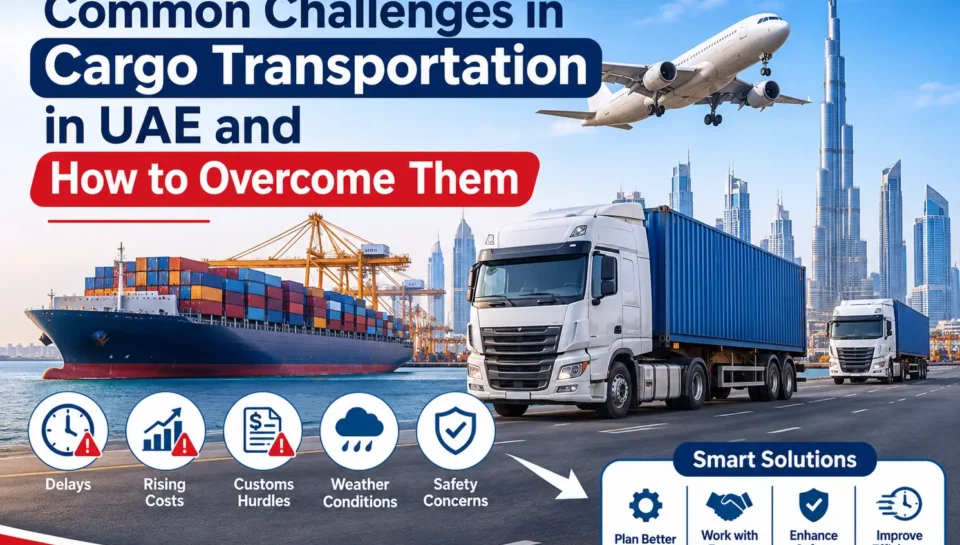
Common Challenges in Cargo Transportation in UAE and How to Overcome Them
Cargo transportation plays an important role in supporting businesses that import, export, and distribute goods across the UAE. However, moving cargo efficiently can involve several challenges, including customs documentation, shipment delays, transportation costs, and coordination between different logistics providers.
Businesses using Cargo Transportation in UAE need to understand these problems to plan shipments effectively and avoid unnecessary operational difficulties. From selecting suitable transportation methods to preparing accurate shipping documents, proper planning can make cargo movement more organised and reliable. This guide explains the most common transportation challenges and practical ways businesses can overcome them.
1. Customs Clearance Delays and Documentation Issues
Customs clearance delays are among the common challenges faced by businesses shipping goods internationally. Missing invoices, incorrect product descriptions, incomplete declarations, or inaccurate shipment details can slow down the clearance process.
How to overcome this challenge:
- Prepare commercial invoices and packing lists accurately.
- Verify product descriptions, quantities, and declared values.
- Check applicable import or export requirements before dispatch.
- Coordinate with experienced customs clearance professionals.
Understanding customs procedures can help businesses reduce documentation errors and manage Customs Clearance Challenges in UAE more effectively.
2. Rising Transportation and Shipping Costs
Transportation expenses can increase due to fuel prices, cargo weight, shipment dimensions, route selection, handling requirements, and additional service charges. These expenses can affect business budgets, particularly for companies managing frequent or large shipments.
Practical solutions include:
- Compare available air, sea, and land transportation options.
- Consolidate smaller shipments where practical.
- Plan delivery schedules in advance.
- Request a detailed quotation covering applicable charges.
Choosing suitable Cargo Transportation Services in UAE can help businesses understand their shipping requirements and manage transportation expenses more efficiently.
3. Cargo Delivery Delays and Scheduling Problems
Delivery delays can occur because of port congestion, weather conditions, customs inspections, traffic, or unexpected operational issues. Such disruptions may affect inventory availability, production schedules, and customer commitments.
To minimise Cargo Delivery Delays in UAE, businesses should:
- Allow sufficient time for shipment planning.
- Confirm delivery schedules with logistics providers.
- Maintain regular shipment tracking and communication.
- Keep alternative transportation arrangements where possible.
Advance planning and regular updates help businesses respond to unexpected changes without creating unnecessary confusion.
4. Choosing the Right Transportation Method
Selecting an unsuitable shipping method can increase costs and affect delivery timelines. Air freight is generally suitable for urgent or time-sensitive shipments, sea freight works well for larger cargo volumes, and land freight supports domestic and regional transportation.
Businesses should consider the following factors before selecting a shipping method:
- Delivery time: How quickly does the shipment need to arrive?
- Cargo type: Is the shipment fragile, heavy, oversized, or perishable?
- Budget: What transportation cost can the business manage?
- Destination: Which routes and transport options are available?
Working with reliable Freight Forwarding Services in UAE can help businesses select suitable routes and coordinate different stages of shipment movement.
5. Cargo Handling and Damage Risks
Improper packaging, loading, unloading, and storage can cause cargo damage during transportation. Fragile products, electronic equipment, industrial machinery, and temperature-sensitive goods may require special handling arrangements.
Businesses can reduce these risks by:
- Using suitable packaging materials and protective coverings.
- Labelling fragile and special-handling cargo clearly.
- Checking cargo condition before dispatch.
- Selecting appropriate vehicles and handling equipment.
- Maintaining accurate shipment and insurance documentation.
Proper cargo handling protects goods and helps avoid unexpected replacement or repair expenses.
6. Poor Communication and Shipment Coordination
Cargo transportation often involves multiple parties, including suppliers, transport operators, customs agents, warehouse teams, and receivers. Poor communication between these parties can lead to incorrect delivery details, missed schedules, and operational confusion.
How businesses can improve coordination:
- Share accurate shipment information with all parties.
- Confirm pickup and delivery schedules in advance.
- Request regular shipment status updates.
- Maintain a clear communication channel with the logistics provider.
Reliable communication and organised Logistics and Transportation Solutions in UAE can make shipment coordination easier and help businesses manage unexpected issues.
How Can Businesses Improve Cargo Transportation in UAE?
Businesses can improve shipping operations by following a structured approach to Cargo Transportation in UAE. The most effective steps include:
- Plan shipments early: Confirm cargo details, delivery deadlines, and transportation requirements.
- Prepare documentation: Check invoices, packing lists, and applicable customs documents.
- Select suitable transport: Compare air, sea, and land freight according to cargo requirements.
- Work with experienced providers: Choose logistics partners who understand the required routes and procedures.
- Monitor shipments: Maintain communication throughout transportation and delivery.
These practices help businesses manage common Cargo Shipping Challenges and improve the overall movement of goods.
Conclusion
Managing transportation challenges requires proper planning, accurate documentation, suitable shipping methods, and effective communication. Businesses that identify potential problems early can reduce avoidable delays, control expenses, and protect their shipments.
Reliable Cargo Transportation in UAE depends on choosing appropriate logistics arrangements for each shipment rather than relying on a single transportation method. Al Sahel Cargo & Clearing LLC supports businesses with cargo transportation, freight forwarding, and Customs Clearance coordination. Contact the team to discuss your cargo requirements and suitable shipping arrangements.
I’m Sajeena Kadir, Procurement Manager at Al Sahel Cargo & Clearing LLC, a trusted name in cargo and logistics services. With 18 years of experience at Al Sahel, I bring extensive knowledge of procurement, logistics, and supply chain operations. I’m passionate about efficient sourcing, reliable business solutions, and sharing valuable insights from the logistics industry.
Al Sahel Cargo & Clearing LLC
Frequently Asked Questions
What are the main challenges in cargo transportation?
The main challenges in Cargo Transportation in UAE include customs documentation errors, rising shipping costs, delivery delays, cargo damage, route disruptions, and poor coordination between logistics providers.
How can businesses reduce cargo delivery delays in UAE?
Businesses can reduce delays by preparing documents in advance, confirming delivery schedules, monitoring shipments, and working with reliable Cargo Transportation Services in UAE
What factors affect cargo shipping costs in UAE?
Cargo weight, dimensions, transportation mode, fuel charges, handling requirements, destination, and customs-related expenses can influence overall shipping costs.
Why are freight forwarding services important for businesses?
Freight Forwarding Services in UAE help coordinate shipment arrangements, transportation routes, documentation, and communication between different parties involved in cargo movement.
How can businesses avoid customs clearance problems?
Businesses should maintain accurate invoices, packing lists, product descriptions, and required declarations. Working with experienced professionals can also help manage Customs Clearance Challenges in UAE.