Customs Clearance in UAE: Process, Required Documents & How to Avoid Delays
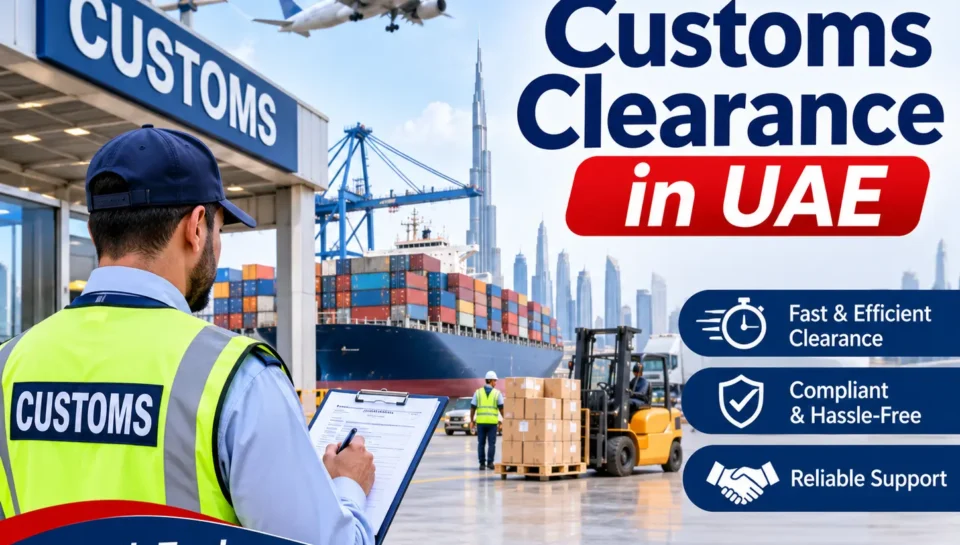
Importing or exporting goods involves more than arranging transportation. Every commercial shipment entering or leaving the country must follow applicable customs requirements. Understanding Customs Clearance in UAE helps businesses prepare the correct paperwork, meet regulatory requirements and avoid unnecessary shipment delays.
Customs clearance is an essential part of international trade because it allows authorities to verify cargo details, assess applicable duties and taxes, and ensure that goods comply with import and export regulations. For businesses operating in Abu Dhabi, Dubai, Sharjah and other emirates, choosing reliable Customs Clearance Services in UAE and preparing documents properly can make cargo movement more efficient.
What Is Customs Clearance and Why Is It Important?
Customs clearance is the official process of declaring goods to customs authorities before they can be imported, exported or moved under a particular customs procedure.
During this process, authorities review shipment information, supporting documents, product classification and applicable regulatory approvals. Depending on the shipment, customs duties, taxes and inspection requirements may also apply.
It is important because it helps businesses:
- Comply with UAE customs regulations.
- Verify the description and value of imported goods.
- Identify restricted or prohibited products.
- Calculate applicable customs duties and charges.
- Obtain approval before cargo release.
How Does the Customs Clearance Process in UAE Work?
The Customs Clearance Process in UAE generally involves several steps. The exact requirements depend on the emirate, customs port, cargo type and intended use of the goods.
- Prepare shipment documents: Collect the commercial invoice, packing list, transport document and other applicable paperwork.
- Check product classification: Identify the correct Harmonized System (HS) code to determine the applicable customs treatment.
- Submit the customs declaration: The importer or an authorised customs broker submits the declaration with the required information.
- Pay applicable charges: Settle customs duties, declaration fees and other applicable charges.
- Complete customs inspection: Authorities may examine the shipment or request additional information.
- Receive cargo release: Once requirements are fulfilled and approval is granted, the goods can be released for delivery or onward movement.
What Documents Are Required for Customs Clearance in UAE?
The required Customs Clearance Documents in UAE depend on the shipment category, transportation method and applicable regulations. However, several documents are commonly requested for commercial imports.
- Commercial Invoice: Shows the seller, buyer, product description, quantity and declared value.
- Packing List: Provides details about packages, weight, dimensions and the contents of the shipment.
- Bill of Lading or Air Waybill: Acts as the transport document for sea or air cargo.
- Certificate of Origin: Identifies the country where the goods were produced or manufactured.
- Delivery Order: Issued by the shipping agent when required for cargo collection.
- Import Permits and Approvals: Required for certain regulated or restricted products.
Some shipments, including food, chemicals and other controlled products, may require additional certificates or approvals from the relevant UAE authorities.
Common Reasons for Customs Clearance Delays in UAE
Customs clearance delays in UAE can happen when shipment information is incomplete, documents contain errors or additional regulatory checks are necessary. These issues can also lead to costly mistakes importers make without customs clearance agents in UAE, particularly when documentation and regulatory requirements are not properly checked.
Common reasons include:
- Incorrect product descriptions or HS codes.
- Missing invoices, certificates or transport documents.
- Differences between invoice and packing list details.
- Missing permits for regulated goods.
- Incorrect declared cargo values.
- Customs inspections or requests for further information.
Identifying these issues before shipment arrival can reduce avoidable complications.
How Can Businesses Avoid Customs Clearance Delays?
Businesses can reduce the risk of delays by preparing documents early and checking shipment details before cargo reaches the destination.
Consider these practical steps:
- Verify that the invoice and packing list contain matching information.
- Confirm the correct HS code for every product.
- Check whether the goods require special permits or approvals.
- Ensure the consignee and shipment details are accurate.
- Coordinate with the shipping agent and customs broker before arrival.
- Keep digital and physical copies of relevant documents available.
Following these steps can help businesses manage their import and export shipments more efficiently.
Why Do Businesses Need Professional Customs Clearance Support?
Managing customs requirements can become complicated when businesses handle multiple shipments, different cargo categories or international suppliers.
Professional customs clearance support helps coordinate documentation, customs declarations, applicable approvals and communication with relevant parties. An experienced clearing agent can also help identify missing information before submission and guide businesses through shipment-specific requirements.
For companies managing regular cargo movements through Abu Dhabi, Dubai and other UAE locations, organised customs coordination can support smoother logistics operations.
Conclusion
Understanding Customs Clearance in UAE is essential for businesses involved in international trade. Accurate documentation, correct product classification, timely approvals and proper coordination can help prevent common clearance problems.
Every shipment has different requirements, so businesses should verify applicable regulations before arranging transportation. Working with an experienced logistics and clearing partner can make documentation management and cargo coordination easier.
Al Sahel Cargo & Clearing LLC supports businesses with customs clearance and cargo-related logistics services. Contact the team to discuss your shipment requirements and clearance support.
I’m Sajeena Kadir, Procurement Manager at Al Sahel Cargo & Clearing LLC, a trusted name in cargo and logistics services. With 18 years of experience at Al Sahel, I bring extensive knowledge of procurement, logistics, and supply chain operations. I’m passionate about efficient sourcing, reliable business solutions, and sharing valuable insights from the logistics industry.
Al Sahel Cargo & Clearing LLC
Frequently Asked Questions
How long does customs clearance take in the UAE?
There is no fixed timeline for every shipment. The duration of Customs Clearance in UAE depends on document accuracy, cargo type, inspection requirements, applicable approvals and the customs authority handling the declaration.
Can goods be cleared without a Certificate of Origin?
Requirements depend on the customs procedure and shipment. A Certificate of Origin may be required, so importers should confirm the applicable documentation before shipping.
What happens if customs documents contain incorrect information?
Incorrect information may lead to requests for clarification, declaration amendments, additional checks or delays. Businesses should verify all shipment details before submitting the customs declaration.
Are all imported goods subject to customs inspection?
No. Customs authorities may select shipments for examination based on applicable procedures and risk criteria. Some shipments may be cleared through document verification without a physical inspection.
Do restricted goods require additional approval in the UAE?
Yes. Certain products require prior approval or permits from the relevant government authority. Before arranging Customs Clearance in UAE, importers should check product restrictions and obtain the necessary approvals.