How Professional Customs Clearance Services Ras Al Khaimah Help Avoid Shipping Delays
Shipping delays can disrupt inventory planning, affect customer commitments, and increase storage or handling expenses for businesses importing and exporting goods. One common cause is a problem during customs clearance, such as incomplete paperwork, incorrect shipment details, missing permits, or unpaid duties. Businesses can reduce these risks by preparing documentation carefully and coordinating with experienced clearance professionals.
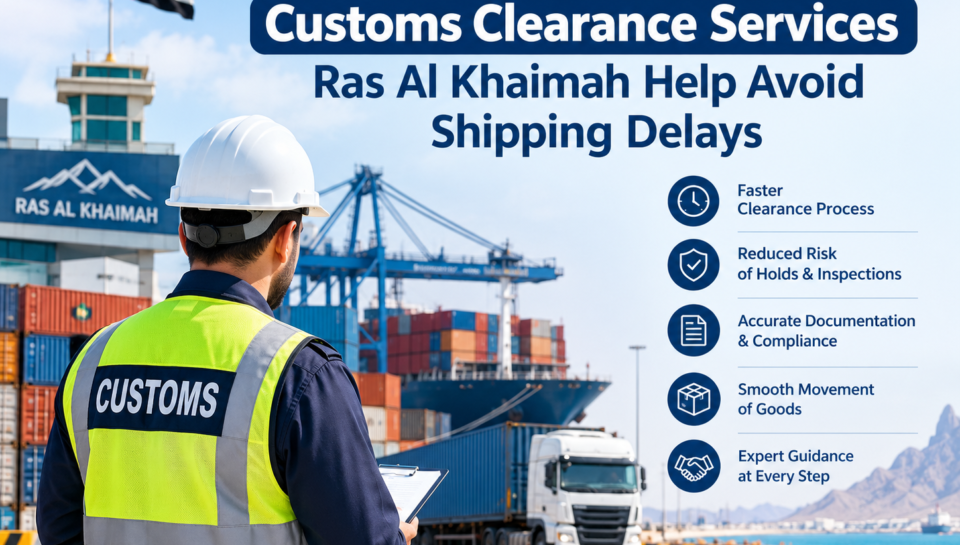
Customs Clearance Services Ras Al Khaimah help businesses manage the documentation, declarations, and regulatory procedures required to move eligible goods through customs. Professional support can make the process more organised by identifying potential issues early and coordinating with relevant parties. However, clearance times also depend on customs inspections, regulatory approvals, cargo type, and the accuracy of information provided by the importer or exporter.
Understanding how the process works helps businesses plan shipments more effectively and avoid preventable delays.
What Causes Shipping Delays During Customs Clearance?
Shipping delays during customs clearance commonly occur when documents are incomplete, shipment information does not match, or authorities require additional checks. Identifying these problems before cargo arrives can help businesses prepare the necessary information and reduce avoidable hold-ups.
Common causes include:
- Incorrect commercial invoices: Product descriptions, declared values, quantities, or other details may be inaccurate.
- Missing shipping documents: Required paperwork may not be available when the shipment reaches customs.
- Incorrect tariff classification: An unsuitable HS code can affect duty assessment and regulatory requirements.
- Unpaid customs duties or taxes: Outstanding payments can prevent the release of goods.
- Permits and approvals: Certain products may require specific permissions or additional inspections.
- Customs examinations: Authorities may inspect cargo to verify declarations or check compliance.
Businesses using Customs Clearance in Ras Al Khaimah should confirm the requirements for their particular goods and destination before dispatch. Customs Clearance Services Ras Al Khaimah can help businesses prepare the necessary documentation and identify potential discrepancies before submission. Early preparation gives the parties involved more time to correct errors and reduce avoidable delays.
How Professional Customs Clearance Services Ras Al Khaimah Reduce Delays
Professional clearance support helps businesses organise customs formalities, verify shipment details, and coordinate the steps required for cargo release. Customs Clearance Services Ras Al Khaimah can help identify common documentation issues and improve communication between logistics partners. Although no provider can guarantee delay-free clearance, an organised process can reduce preventable problems.
1. Accurate Document Preparation
Customs documentation for shipping typically includes a commercial invoice, packing list, transport document, and any permits or certificates applicable to the shipment. The exact requirements depend on the goods, origin, destination, and customs procedure.
Clearance professionals can review the available documents for inconsistencies before submission. For example, if the invoice lists a different quantity from the packing list, the discrepancy can be investigated before it causes a problem during processing.
2. Correct Product Classification and Declarations
Goods must be declared using the appropriate customs classification and accurate shipment information. The HS code helps customs authorities identify products and determine applicable duty rates and regulatory requirements.
Experienced Customs Clearance Agents in Ras Al Khaimah can assist with reviewing product descriptions and declaration details. Importers should still provide complete, accurate information and confirm classifications, valuation, and applicable requirements for their goods.
3. Coordination With Shipping and Logistics Partners
Customs clearance is connected to transportation, terminal handling, document submission, and cargo release. Poor communication between these parties can create unnecessary waiting periods.
Coordinating with freight forwarders, transport providers, and relevant authorities helps businesses track shipment progress and respond to requests for additional information. Working with experienced Customs Clearance Agents in UAE can also improve coordination across these stages. This is particularly useful when arranging Import and Export Customs Clearance UAE for shipments involving multiple logistics partners.
4. Timely Duty Payments and Required Approvals
Customs duties, taxes, and other applicable charges should be assessed and paid according to the relevant procedures. Some shipments also require permits or approvals from the appropriate authorities before release.
Businesses should establish who is responsible for payments, documentation, and obtaining approvals before shipping. Preparing these requirements in advance can reduce the risk of cargo being held while outstanding obligations are resolved.
What Is the UAE Customs Clearance Process?
The UAE customs clearance process generally involves preparing documents, submitting a declaration, completing applicable assessments, addressing inspections or approvals, paying required charges, and obtaining cargo release.
The specific procedure may vary according to the emirate, customs authority, type of goods, and whether the shipment is an import, export, or transit movement.
A typical process includes:
- Prepare shipment documents: Collect invoices, packing lists, transport documents, and any required permits.
- Submit the customs declaration: Provide accurate information through the applicable customs system or authorised representative.
- Complete customs assessment: Authorities assess the declaration and determine whether additional information, duties, or checks are required.
- Address inspections or requests: Supply requested documents and cooperate with any examination.
- Settle applicable charges: Pay assessed duties, taxes, and relevant fees according to the applicable rules.
- Arrange cargo release: Complete the necessary release formalities and coordinate onward transportation.
Following these steps helps businesses understand where delays may occur and who needs to take action.
Key Factors to Consider When Choosing Clearance Support
Choosing a service provider requires more than comparing quotation prices. Businesses should consider the provider’s experience with their cargo type, familiarity with the applicable procedures, communication practices, and ability to coordinate with logistics partners.
Before appointing a provider, check the following:
- Relevant experience: Ask whether the provider handles similar goods and shipment routes.
- Documentation support: Confirm which documents the provider reviews and which must be supplied by your business.
- Clear communication: Establish how shipment updates, document requests, and unexpected issues will be reported.
- Transparent charges: Request a breakdown of service fees and clarify which duties, taxes, storage, inspection, or handling costs are separate.
- Regulatory requirements: Verify whether the shipment needs permits, certificates, or special handling arrangements.
- Coordination capabilities: Check how the provider works with carriers, freight forwarders, and transport companies.
Businesses seeking Cargo Clearance Services UAE should also confirm the provider’s service coverage and the specific customs procedures applicable to their shipment.
How Businesses Can Prevent Common Clearance Problems
Businesses can reduce avoidable shipping delays by reviewing shipment details before dispatch and keeping all responsible parties informed. A consistent checklist is particularly useful for companies that import or export goods regularly.
Practical steps include:
- Match the commercial invoice, packing list, and transport documents.
- Use accurate product descriptions, quantities, values, and origin details.
- Confirm the appropriate HS classification and applicable import restrictions.
- Arrange permits and product approvals before shipment where required.
- Confirm payment responsibilities and budget for applicable charges.
- Share documents with the relevant clearance representative early.
- Monitor shipment status and respond promptly to requests for information.
For companies arranging Freight Forwarding Services Ras Al Khaimah, coordinating transportation and clearance planning from the beginning can help prevent avoidable gaps between cargo arrival and release.
Conclusion
Avoiding shipping delays requires accurate paperwork, suitable product classification, timely payments, and effective coordination between importers, exporters, carriers, and clearance representatives. Businesses that prepare these requirements before dispatch are better positioned to address potential issues without unnecessary disruption.
Professional Customs Clearance Services Ras Al Khaimah can help organise declarations, review documentation, and coordinate clearance activities according to the applicable requirements. Businesses should confirm the exact documents, approvals, charges, and timelines for each shipment rather than relying on a standard estimate.
Al Sahel Cargo & Clearing LLC can discuss your shipment requirements and help you understand the documentation and coordination needed for your cargo movement. Contact the team to request a tailored quotation and clarify the next steps for your shipment.
I’m Sajeena Kadir, Procurement Manager at Al Sahel Cargo & Clearing LLC, a trusted name in cargo and logistics services. With 18 years of experience at Al Sahel, I bring extensive knowledge of procurement, logistics, and supply chain operations. I’m passionate about efficient sourcing, reliable business solutions, and sharing valuable insights from the logistics industry.
Al Sahel Cargo & Clearing LLC
Frequently Asked Questions
Why do shipments get delayed during customs clearance?
Shipments may be delayed because of incomplete paperwork, incorrect declarations, missing permits, unpaid charges, or customs inspections. Professional Customs Clearance Services Ras Al Khaimah can help businesses review shipment documents and address potential issues early. Responding quickly to requests can also help reduce preventable hold-ups.
Which documents are required for customs clearance in Ras Al Khaimah?
Common documents include a commercial invoice, packing list, and applicable transport document. Depending on the goods and shipment, authorities may also require certificates of origin, permits, product approvals, or other supporting documents. Confirm the requirements with the relevant customs authority or authorised clearance representative before shipping.
How can importers avoid customs documentation errors?
Importers should ensure that product descriptions, quantities, declared values, origin details, and shipment references are consistent across documents. They should also verify product classification and arrange any required approvals before dispatch. A document checklist and early review can help identify discrepancies before submission.
How long does customs clearance take in Ras Al Khaimah?
Clearance time varies according to the shipment type, document accuracy, customs workload, inspection requirements, permits, and payment status. Straightforward shipments may be processed more quickly than those requiring additional checks. Ask the clearance provider for an estimate based on your specific cargo and route.
Do all imported goods require customs duties and permits?
Not every product has the same duty rate or permit requirements. Charges and restrictions depend on factors such as classification, origin, destination, applicable trade arrangements, and the type of goods. Importers should confirm the current requirements for their specific shipment before calculating costs or arranging dispatch.
Can a customs clearance agent guarantee that shipping delays will not happen?
No. A clearance agent can help prepare documents, coordinate declarations, and address requests, but cannot control every customs decision, inspection, or regulatory approval. Businesses should treat professional assistance as a way to reduce preventable errors and improve coordination rather than a guarantee of immediate cargo release.
What affects the cost of customs clearance services?
Costs may depend on shipment type, cargo value and classification, service scope, documentation requirements, inspections, transport arrangements, and applicable duties, taxes, or handling charges. Request an itemised quotation and clarify which charges are included in the service fee and which may be billed separately.