
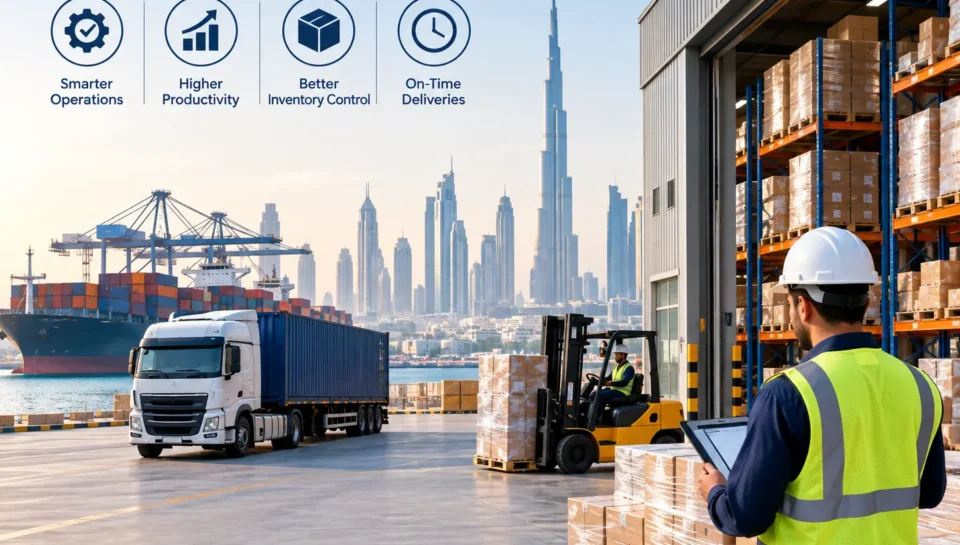
Logistics and Warehouse Solutions in Dubai: Strategies to Improve Efficiency
Businesses operating in Dubai need reliable transportation, organized storage, and effective inventory control to move goods efficiently. Logistics and Warehouse Solutions in Dubai help businesses coordinate shipments, manage stock, prepare orders, and deliver products to customers while minimizing avoidable delays and operational waste.
Dubai’s role as a regional trading and distribution hub makes efficient logistics planning particularly valuable for importers, exporters, wholesalers, retailers, and e-commerce businesses. However, warehouse congestion, inaccurate inventory records, rising transportation expenses, and poor communication can disrupt daily operations.
The right approach combines suitable storage facilities, clear warehouse processes, dependable freight services, and accurate shipment information. Businesses can improve efficiency by reviewing how goods enter, move through, and leave their supply chain. Understanding these processes helps decision-makers select services that match their cargo requirements, delivery schedules, and budgets.
What Are Logistics and Warehouse Solutions?
Logistics and warehouse solutions cover the activities involved in storing goods, managing inventory, coordinating transportation, and distributing products to their destinations. Warehousing focuses on receiving, storing, picking, packing, and dispatching stock, while logistics connects these activities with transportation and delivery.
Together, these functions help businesses maintain product availability and fulfill orders efficiently. Depending on their needs, companies may use storage facilities, freight forwarding, cargo handling, inventory tracking, and local distribution services.
For example, a Dubai-based retailer importing products from overseas needs a coordinated process for receiving shipments, checking stock, storing items safely, and delivering customer orders. Effective planning helps prevent misplaced goods, unnecessary handling, and missed delivery schedules.
Why Is Efficient Warehouse Management Important in Dubai?
Efficient warehouse management improves stock accuracy, order processing, space utilization, and coordination between storage and transportation. It also helps businesses identify operational problems before they cause costly disruptions.
Dubai businesses can benefit from organized warehouse operations in several ways:
- Better inventory control: Accurate records help teams identify available stock and prevent avoidable shortages or excess inventory.
- Faster order fulfillment: Clearly defined picking, packing, and dispatch procedures reduce unnecessary handling.
- Improved space utilization: Appropriate storage layouts make better use of available warehouse capacity.
- More predictable deliveries: Coordinated dispatch schedules help transportation teams plan collections and deliveries.
- Greater visibility: Timely updates help businesses monitor stock movements and respond to delays.
Effective Warehouse Management Dubai practices also support better communication between warehouse staff, suppliers, transport providers, and customers. This is especially useful when businesses manage frequent deliveries or multiple product categories.
Key Components of Effective Logistics and Warehouse Solutions in Dubai
A well-organized operation depends on several connected activities. Each stage should have clear responsibilities, accurate records, and procedures that suit the type of goods being handled. Logistics and Warehouse Solutions in Dubai help businesses coordinate these activities and improve overall supply chain efficiency.
1. Inventory Management and Stock Tracking
Inventory management involves recording incoming goods, monitoring stock levels, and updating records whenever products are moved, picked, or dispatched.
Inventory Management Solutions can include barcode scanning, warehouse management software, stock alerts, and regular inventory checks. Businesses should establish consistent procedures for recording damaged goods, returns, and stock adjustments.
2. Storage and Warehouse Organization
Warehousing Services in Dubai should match the size, handling requirements, turnover rate, and storage conditions of the products being stored.
Businesses can improve warehouse organization by grouping similar items, labeling storage locations, keeping frequently picked products accessible, and maintaining safe aisles. Products that require special temperature, security, or handling controls need suitable facilities and documented procedures.
3. Transportation and Freight Coordination
Transportation connects suppliers, warehouses, distribution centers, and customers. Freight and Logistics Services may involve road transport, air freight, ocean freight, shipment documentation, cargo handling, and coordination with relevant service providers.
Choosing the appropriate transport method depends on delivery deadlines, cargo dimensions, destination, budget, and handling requirements. Clear communication between warehouse and transport teams helps ensure that goods are ready when vehicles or freight services are scheduled.
How Can Businesses Improve Warehouse Efficiency?
Businesses can improve warehouse efficiency by standardizing workflows, using reliable inventory records, reviewing performance, and coordinating storage with transportation. Small process improvements can reduce repeated work and make daily operations easier to manage.
Follow these practical steps:
- Review current workflows: Identify delays in receiving, storage, picking, packing, and dispatch.
- Organize storage locations: Use clear labels and logical product placement to reduce unnecessary movement.
- Maintain accurate stock records: Record every receipt, transfer, return, and dispatch promptly.
- Coordinate delivery schedules: Share order readiness and collection information with transport teams.
- Monitor performance: Track order accuracy, dispatch delays, stock discrepancies, and warehouse space utilization.
- Review processes regularly: Use performance records to identify recurring issues and prioritize improvements.
For instance, an e-commerce business experiencing frequent picking errors could introduce clearer shelf labels and barcode verification. Reviewing order accuracy after implementation would help determine whether the changes are working.
How to Choose Logistics Services in Dubai
Choosing a logistics provider requires more than comparing quoted prices. Businesses should evaluate service coverage, cargo-handling capabilities, communication, delivery requirements, and the clarity of the provider’s pricing structure. Logistics and Warehouse Solutions in Dubai can help businesses coordinate storage, transportation, and distribution more efficiently.
Before selecting a provider, consider these factors:
- Service range: Confirm whether the provider offers the required storage, transportation, freight forwarding, and distribution services.
- Location and accessibility: Assess whether the warehouse and transport network suit your suppliers and delivery destinations.
- Cargo requirements: Check the provider’s ability to handle your products safely and appropriately.
- Technology and visibility: Ask how shipment updates, stock records, and delivery information are shared.
- Pricing transparency: Clarify storage fees, handling charges, transport costs, and any additional services.
- Communication and support: Establish who will manage queries, exceptions, and shipment delays.
A suitable Logistics Company in Dubai should explain its service scope clearly and help you understand how its processes fit your operational requirements. Businesses should also verify relevant licenses, insurance arrangements, and contractual responsibilities where applicable.
Common Logistics and Warehousing Mistakes to Avoid
Several operational mistakes can reduce efficiency even when businesses use professional logistics services.
- Choosing on price alone: Low initial quotations may exclude storage, handling, or other required charges.
- Ignoring inventory accuracy: Incorrect stock records can cause overselling, delayed orders, and unnecessary purchases.
- Using unsuitable storage: Poor storage conditions or layouts can increase product damage and handling time.
- Planning transportation too late: Uncoordinated collections can create warehouse congestion and missed dispatch windows.
- Failing to monitor performance: Without clear performance measures, recurring problems may remain unresolved.
Regular communication and documented procedures help businesses identify these issues early. Reviewing service agreements and operational reports also supports better decisions when demand or shipping requirements change.
Conclusion
Efficient logistics operations depend on accurate inventory records, organized storage, suitable transportation, and clear communication. By reviewing warehouse workflows and coordinating each stage of the supply chain, businesses can reduce avoidable delays, improve order accuracy, and make better use of their resources.
Selecting the right Logistics and Warehouse Solutions in Dubai starts with understanding your cargo, storage needs, delivery schedules, and budget. Effective Warehousing and Distribution for Supply Chain operations also help businesses coordinate stock movement and ensure products reach their intended destinations efficiently. Compare providers carefully and prioritize transparent processes, suitable facilities, and reliable coordination. Al Sahel Group can be considered when exploring logistics and freight service options for your business. Contact the team to discuss your requirements and identify services that align with your operational needs.
Frequently Asked Questions
What services are included in logistics and warehousing?
Services may include receiving goods, storage, inventory management, picking and packing, dispatch, freight forwarding, cargo handling, transportation, and distribution. The exact scope depends on the provider and service agreement, so businesses should confirm which activities are included before making a decision.
How can a business reduce warehouse operating costs?
Businesses can review storage utilization, improve inventory accuracy, reduce unnecessary product movement, standardize picking procedures, and coordinate deliveries more effectively. Monitoring handling charges, storage duration, damaged stock, and transportation expenses can also reveal opportunities to control costs without compromising safety or service quality.
What should businesses consider when selecting a warehouse in Dubai?
Consider location, accessibility, available capacity, security, storage conditions, handling capabilities, inventory systems, and pricing. The warehouse should suit your product type and delivery requirements. Businesses handling specialized or regulated goods should verify the applicable facility requirements before storing their products.
What is the difference between warehousing and logistics?
Warehousing focuses on storing and managing goods, including receiving, inventory control, picking, packing, and dispatch. Logistics covers the wider movement and coordination of goods across the supply chain, including transportation, freight planning, and delivery. Warehousing is therefore one important part of an overall logistics operation.
How does technology improve warehouse management?
Warehouse management software, barcode scanning, and inventory tracking tools help record stock movements, locate products, and improve order accuracy. When properly implemented, these tools can reduce manual errors and provide more timely information for purchasing, storage, and dispatch decisions.
Which businesses need professional logistics services in Dubai?
Importers, exporters, manufacturers, retailers, wholesalers, distributors, and e-commerce businesses may benefit from professional logistics services. They are particularly useful when a company needs additional storage capacity, coordinated freight movements, specialized handling, or support managing deliveries across multiple destinations.
What affects the cost of logistics and warehousing services?
Costs depend on storage volume, cargo dimensions and weight, storage duration, handling requirements, transport distance, delivery urgency, and the services requested. Additional charges may apply for specialized storage, documentation, customs-related services, or other agreed requirements. Requesting an itemized quotation makes it easier to compare providers accurately.